Health
Deputy Prime Minister Addresses Pharmacy Wait Times Amid Pharmaceutical Industry Development
Deputy Prime Minister Santia Bradshaw highlights long wait times for medication at Queen Elizabeth Hospital pharmacy, urging improvements alongside the development of a pharmaceutical industry.
4 min read
Originally published by barbadostoday.bb (opens in new tab)
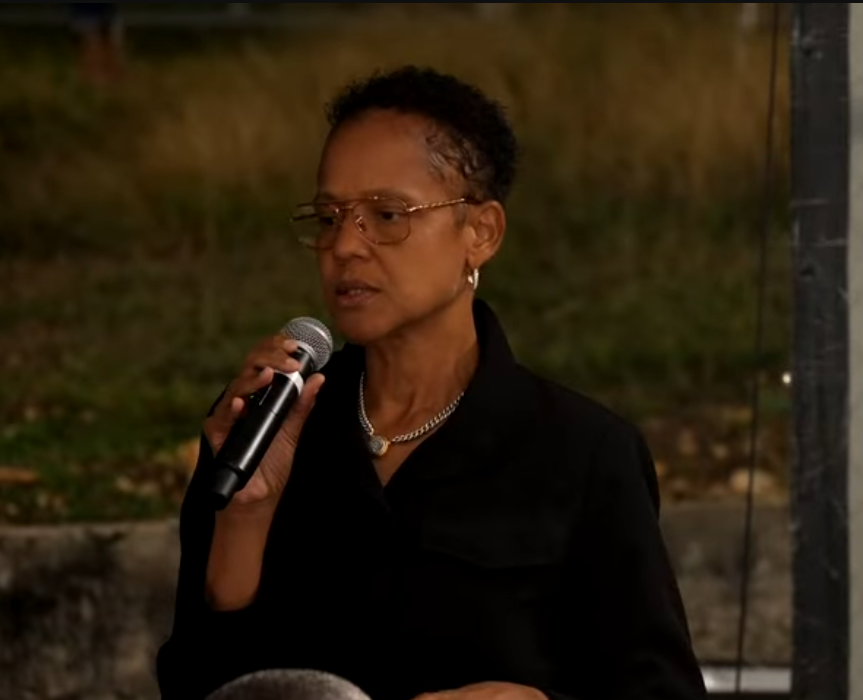
A push to build a pharmaceutical industry is being overshadowed by persistent complaints from patients waiting hours at the Queen Elizabeth Hospital pharmacy, Deputy Prime Minister Santia Bradshaw has told the House of Assembly.
While welcoming the Barbados Medical Products Bill as a major industrial development tool she warned that the government must also deal with the “elephant in the room”.
Bradshaw described seeing patients, particularly elderly people, waiting for hours to collect medication, often with little movement in the dispensing process.
“While we are seeking to regulate the pharmaceutical industry and create new industry, there’s an elephant in the room,” she said. “There are people that I encounter when I go to the hospital to see people who have no choice but to be there.
“There are people who, when I go upstairs, they’ve taken a number, and when I come downstairs, the number has moved but one or two,” she said, adding that concerns about staffing levels and long waits continue to frustrate patients seeking basic prescription drugs.
While supporting what she called a “very noble exercise” that could create future opportunities for young Barbadians interested in science and pharmaceutical development, Bradshaw said she felt compelled to speak on behalf of constituents who had raised concerns about delays in receiving medication.
She pointed to lessons learned during the COVID-19 pandemic, when pharmaceutical deliveries and dispensing systems were adapted to get medications to patients more quickly.
“We learned about quick dispatch of pharmaceuticals across the counter. We got them to people’s homes quickly, expeditiously, without any challenges,” she said.
Bradshaw questioned whether some of those emergency measures could be revived or expanded to improve services today, particularly for elderly patients who often arrive before pharmacies open and still face lengthy waits.
“I speak on behalf of them today that while we do this, that we also get back to the drawing board to make sure that we are able to alleviate some of the hardship that people who are sick are also facing.”
The Deputy Prime Minister, a prominent breast cancer survivor, also raised concerns about access to medication for cancer patients, particularly the availability of brand-name drugs.
She told the House of receiving messages from cancer patients regarding the prostate cancer drug Androcur, which said was no longer available through the public system and had been replaced with cyproterone.