Business
Caribbean Urged to Enhance Emergency Shelter Systems Amid Increasing Disasters
Officials emphasize the need for improved emergency shelter systems in the Caribbean, highlighting the importance of trained personnel and resilient facilities during a recent training workshop.
3 min read
Originally published by barbadostoday.bb (opens in new tab)
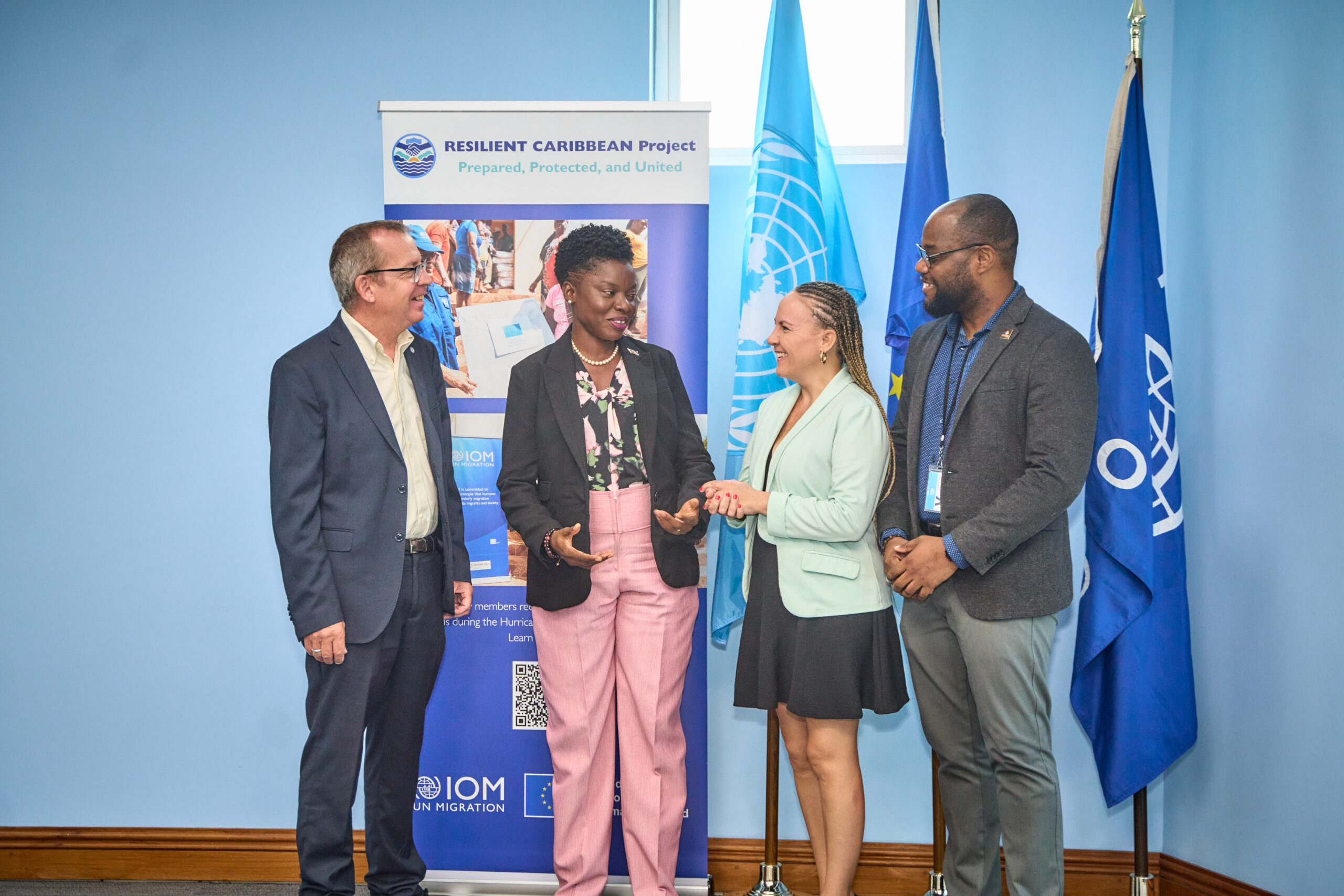
The Caribbean must strengthen its emergency shelter systems with trained personnel, tighter coordination and more resilient facilities as disasters grow more frequent and severe, officials said on Monday.
That message came during an advanced emergency shelter training-of-trainers workshop held at the UN House on Monday. The workshop was sponsored by Resilient Caribbean, a joint project of the European Union through its Department of Civil Protection and Humanitarian Aid (ECHO), and implemented by the UN International Organisation for Migration in partnership with the Caribbean Disaster Emergency Management Agency (CDEMA).
Virginie Andre, the disaster risk management programme manager at the European Union Delegation to Barbados and the Eastern Caribbean States, said effective preparedness extends far beyond stockpiling emergency supplies:
“Preparedness is about more than emergency supplies or evacuation plans. It is about trained people, clear responsibilities, strong coordination [and] how can we respond rapidly, effectively and with dignity when communities need them most.”
Resilient Caribbean forms part of a broader EU-Caribbean strategy to strengthen disaster resilience:
“Since 2025, there has been a dialogue between Prime Minister Mia Mottley, in her capacity as CARICOM Chair at that time, and the President of the European Commission, and it has given new momentum to the partnership between the European Union and the Caribbean on disaster risk management.”
Both sides had agreed to place greater emphasis on “anticipation, preparedness [and] resilience, not only responding once disaster occurs”, Andre said.
According to her, the renewed partnership is already producing results, with new regional initiatives being developed to improve weather forecasting, climate services, logistics interoperability and community preparedness across the Caribbean.
Chief Education Officer Dr Ramona Archer-Bradshaw, whose ministry oversees emergency shelters, highlighted the critical role shelters play during crises:
“Across the Caribbean, shelters provide more than a physical space during emergencies. They offer safety, dignity, reassurance and hope to individuals and families facing some of the most challenging circumstances of their lives.”
Dr Archer-Bradshaw noted that the emergency shelter network, largely composed of schools, remains a key part of the island’s disaster management framework, providing temporary refuge for families displaced by severe weather and other emergencies.