Education
CDEMA Advocates for Purpose-Built Emergency Shelters in the Caribbean
Caribbean disaster managers are urging governments to invest in purpose-built emergency shelters to better accommodate vulnerable groups, as severe storms increase in frequency and intensity.
3 min read
Originally published by barbadostoday.bb (opens in new tab)
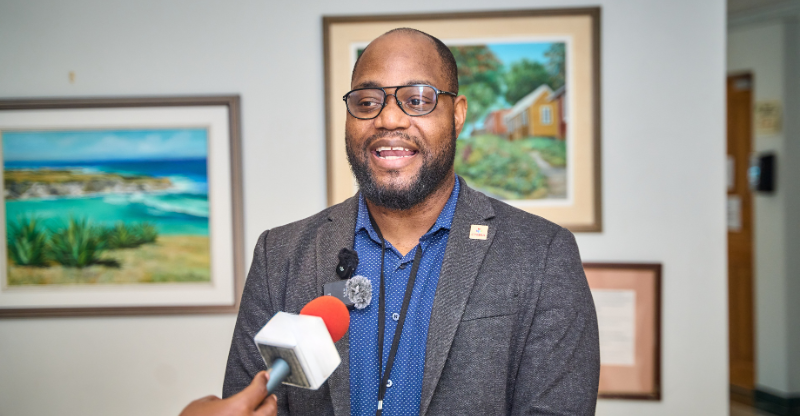
Caribbean disaster managers are urging governments to shift from using schools and community centres as emergency shelters and invest in purpose-built facilities designed to safely accommodate vulnerable groups, including people with disabilities, as storms grow more severe.
Programme manager for preparedness and response at the Caribbean Disaster Emergency Management Agency (CDEMA), Mandela Christian, made the call on Monday as the European Union-funded Resilient Caribbean project opened a train-the-trainers workshop at the UN House.
The €1.1m ($2.5m) project supports 13 CDEMA-participating states by strengthening the region’s disaster preparedness, collaboration, and response capacities, and ensuring inclusive support for the most vulnerable populations.
The workshop, also backed by the United Nations and CDEMA, is training emergency shelter officials from across the region in modern shelter management practices.
Christian told journalists that CDEMA has been encouraging governments to rethink the design and use of emergency shelters in light of increasingly severe natural disasters and the diverse needs of those seeking refuge.
“We do our best to be as inclusive as possible, and we look at the full spectrum of vulnerabilities that there are, and we have made recommendations as to how some of these existing shelters can be retrofitted to accommodate disabilities and all the various vulnerabilities that there are.”
But he noted that many countries are recognising that retrofitting existing buildings has its limits:
“In the event where countries are realising…probably using some of these existing structures like schools and community centres may not be the best shelter because these are not purpose-built facilities, we are seeing the move right now into building more purpose-built structures and shelters with proper washroom facilities, proper access for disabled persons and so forth.”
CDEMA recommends that governments incorporate accessibility and inclusivity into the design of new schools, multi-purpose facilities, and dedicated shelters from the outset, Christian said.
“If you are going to retrofit your shelters or you’re building new schools or multi-purpose facilities, you take these things into consideration: that you ensure there’s access for the disabled population, that you have proper washroom facilities, that it is secure, that you factor security into it.”
Beyond physical accessibility, emergency shelters must provide a safe and dignified environment for everyone displaced by disasters, Christian said.