Health
Barbados Parliament Considers Bill to Enhance Medical Product Regulation
A new bill aims to strengthen the regulation of medicines in Barbados, focusing on preventing counterfeit drugs and reducing dependence on imports, as discussed by Minister of Health Senator Lisa Cummins.
5 min read
Originally published by barbadostoday.bb (opens in new tab)
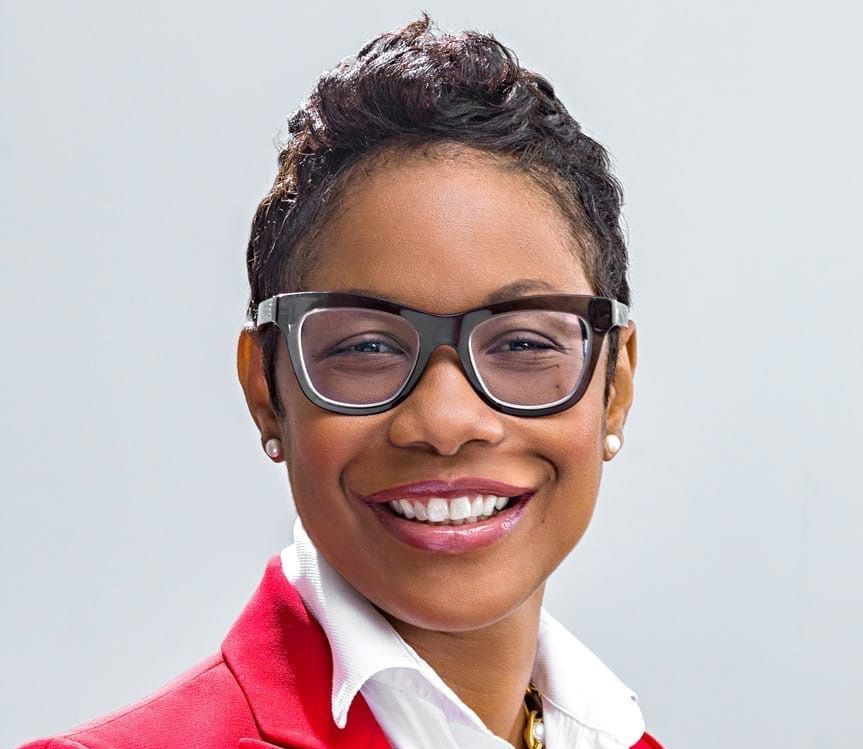
A new bill before Parliament seeks to tighten control over the quality and supply of medicines in Barbados, with the government moving to guard against counterfeit drugs and reduce reliance on external sources.
In an historic first appearance of a senator on the floor of the House of Assembly under new constitutional arrangements passed late last year, Minister of Health Senator Lisa Cummins piloted the Barbados Medical Products Bill through its second reading in the lower legislature.
She told lawmakers the proposed law is intended to establish the island’s medical products sovereignty, with a primary focus on protecting the public from the dangers of counterfeit pharmaceuticals.
Senator Cummins drew attention to section 6 of the bill, which governs the registration and marketing authorisation of medical products. She said regulation is essential to safeguard the community from fraudulent drugs and those marketed under false pretences about their efficacy.
She said: “One of the things that this legislation is meant to do is to protect this community by way of regulation from counterfeiting drugs and drugs that are marketed to do one thing but really are not doing what they’re said to do.”
Describing it as “landmark” legislation, Senator Cummins said it arose from the island’s experience during the COVID period and the challenges it faced in accessing medical supplies. She also pointed to ongoing issues in the global supply chain linked to international tensions.
“In the case of medical supplies and drugs, we import 47 per cent of all that we consume in this country. That has created a combination of the things that I have just raised – what happened during COVID, export restrictions, countries hoarding, as well as global supply chain disruptions; those things have collided to create what we describe as a perfect storm, but also a perfect opportunity.
“That opportunity is to introduce a series of entities and initiatives in this country to be able to ensure that Barbados is able to secure not just its energy sovereignty, not just its food sovereignty, not just its agricultural sovereignty, but also our health and medical products sovereignty. Having control over our own production and ensuring that we have a regulatory framework around it to make sure that Barbados never finds itself 100 per cent at the behest of another country and their willingness to help, or as we saw in COVID, not willing to help.”
On the creation of Barbados Pharmaceutical Inc., a pharmaceutical production company, the minister said this would provide a base for Barbados to evolve “from just a logistics hub to a pharmaceutical hub to a distribution hub, and to a regulatory hub” for the region.