Local News
Senator Liz Thompson Warns of Global Order Threats to Small Island States
Senator Liz Thompson highlights the dangers small island states face due to a declining global order and urges Caribbean unity for fair financing amid the escalating climate crisis.
5 min read
Originally published by barbadostoday.bb (opens in new tab)
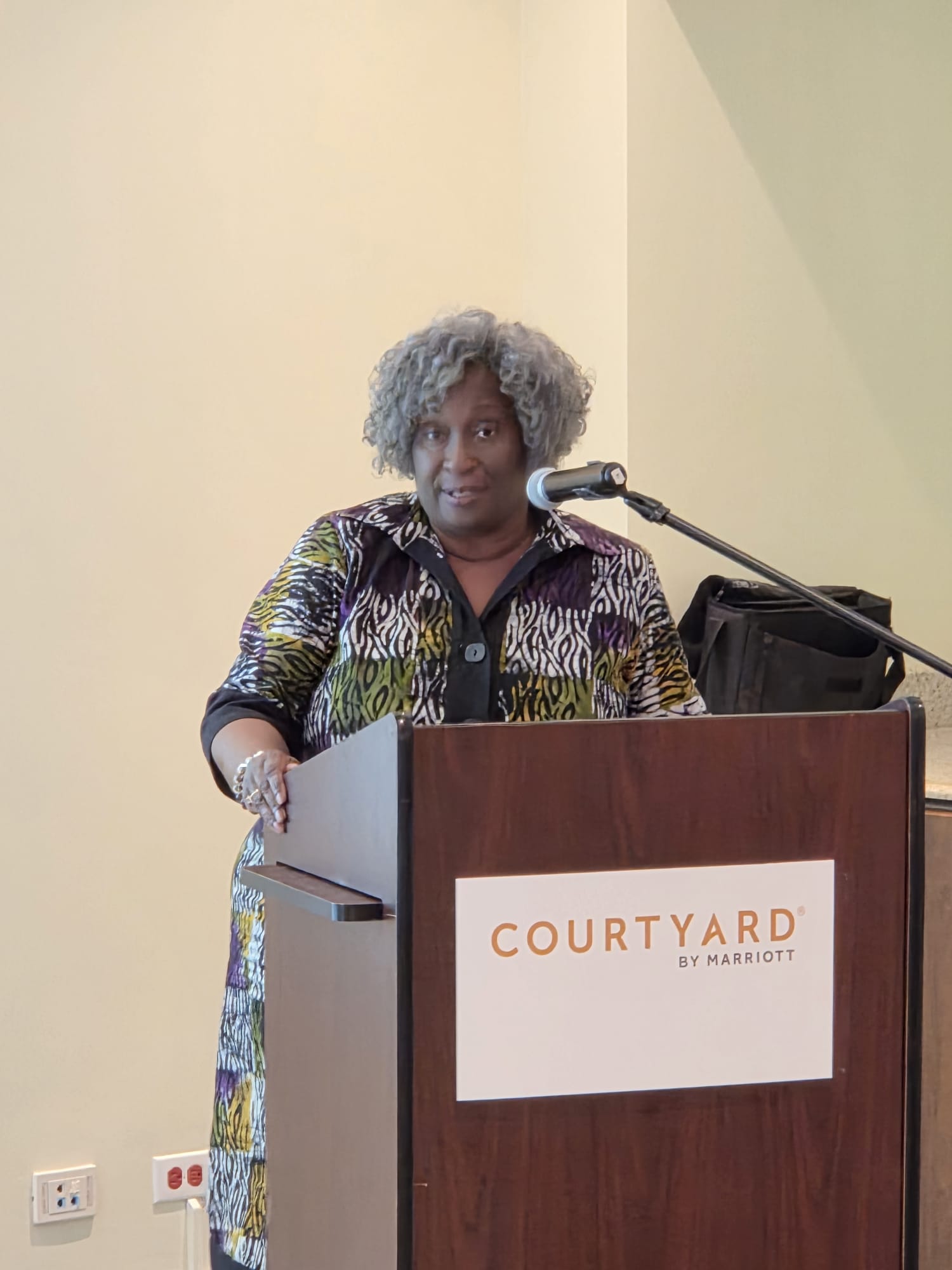
Senior lawmaker and diplomat Senator Liz Thompson has warned that a fraying global order and retreating donor support are leaving small island states exposed, as she urged the Caribbean to unite, assert its interests and press for fair financing while the climate crisis intensifies.
In her assessment of the shifting global geopolitical landscape, the vice-president of the Senate and former United Nations assistant secretary general and special adviser on sustainable development urged small island developing states (SIDS) to reject external dependencies and fiercely advocate for financial justice in the face of escalating climate disasters.
Addressing an audience of regional delegates and civil society organisations, Thompson warned that the international community is rapidly abandoning its commitment to multilateralism, replacing a rules-based system with a “power-driven order” that prioritises the mighty over the vulnerable.
Thompson’s address painted a stark picture of a fragmenting global democracy, highlighting a distinct lack of empathy from traditional donor nations. Prominent funds designed to assist developing countries with climate impacts have stagnated, leaving frontline states of the Caribbean to bear catastrophic economic burdens alone.
“We are facing a new world order,” Thompson declared. “Symbols and behaviours of leadership that we previously thought were standard, settled, and entrenched have been upended. The rules-based order with which we identify is being replaced by a power-driven order. It is the rule of the mighty over the minnow.”
The senator pointed to the global Loss and Damage Fund as a prime example of international failure. Established to help developing nations cope with climate devastation, the fund currently sits at less than $800m after three years. By comparison, Jamaica alone suffered a staggering $12bn (JM$1.67tn) in damages from Hurricane Beryl.
The speech also highlighted an alarming trend of wealthy nations actively retreating from environmental commitments. While official development assistance from the OECD fell by seven per cent in 2025, major global powers have signalled intent to slash development spending, with some even attempting to halt climate-related lending entirely.
“Alliances have become far more fluid. Loyalty has no particular meaning,” Senator Thompson remarked. “Empathy for the weak and the vulnerable is not a priority. In fact, in many instances, it is not a consideration at all.”
The address heavily emphasised that climate change is not a future projection for the Caribbean, but a current, mathematically undeniable crisis. To illustrate her point, Thompson provided a stark breakdown of extreme weather data, noting that while the region saw four category 5 hurricanes between 1960 and 1980, and another four between 1980 and 2000, it has been battered by eight category 5 storms in just the seven years between 2018 and 2025.