Business
Barbados Economic Recovery Relies on Private Sector Investment
Barbados' economic recovery strategy will depend on increased private-sector investment, as regional lender CAF plans to expand financing to support the government's fiscal program BERT 3.0.
4 min read
Originally published by barbadostoday.bb (opens in new tab)
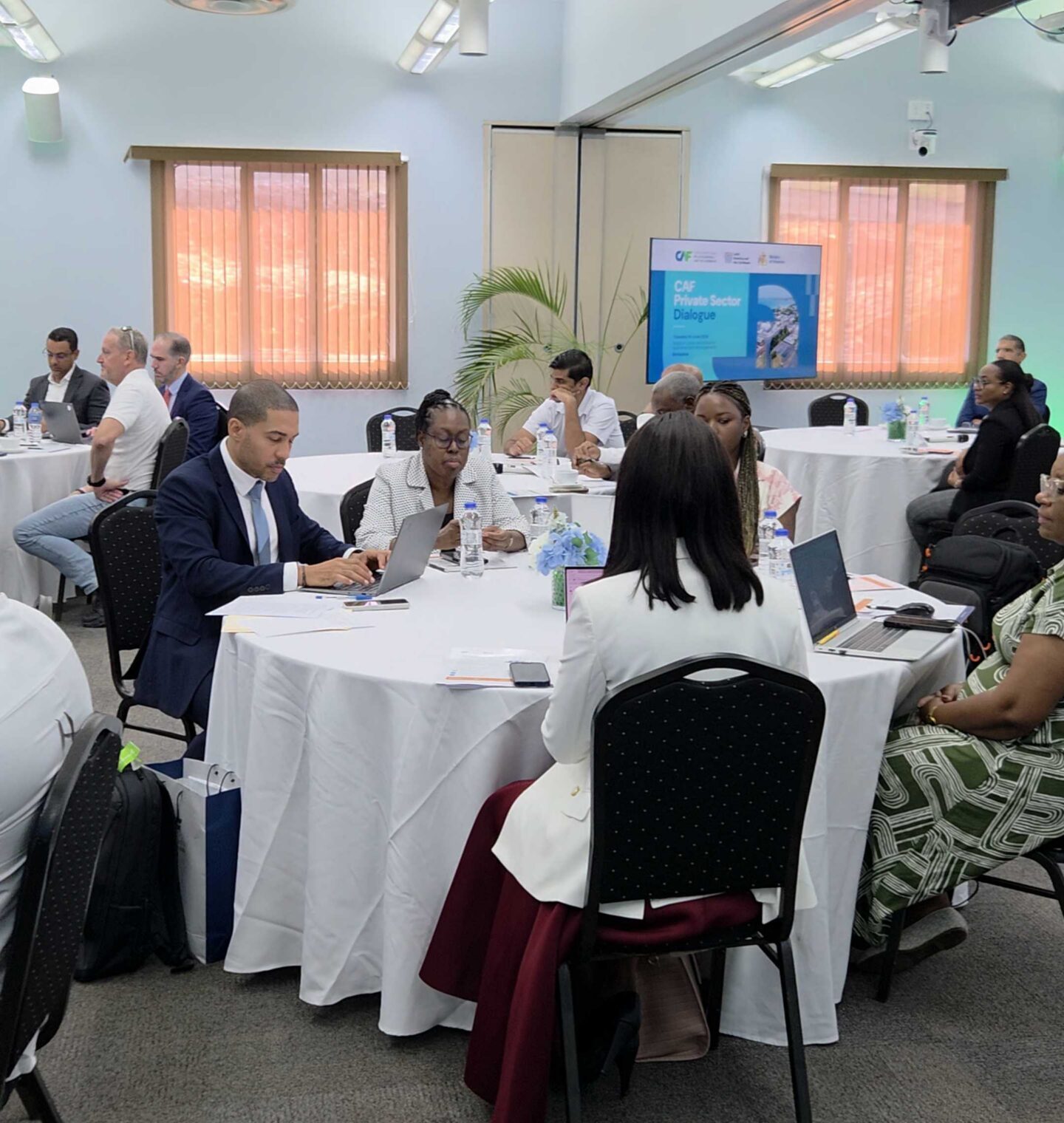
Barbados’ economic recovery drive will hinge on deeper private-sector investment, said a regional lender on Tuesday, as it signalled plans to expand direct financing to businesses to support the island’s homegrown fiscal programme.
Top executives at CAF (the Development Bank of Latin America and the Caribbean) pressed a pro-business message as they began talks with Minister of Finance Ryan Straughn. The meeting sought new ways to fund businesses and support the government’s economic recovery plan, BERT 3.0.
Dr Stacy Richards-Kennedy, CAF’s regional manager for the Caribbean, said: “There’s an interesting data point from a recent study that helps frame why we are here today. In developing countries, nine out of ten jobs are in the private sector. If we go a step further, this means that in countries that are serious about inclusive economic growth, jobs, exports, and overall resilience, the private sector cannot be on the margins of development. It has to be at the centre.”
Small and medium-sized businesses are the backbone of the economy, providing nearly 60 per cent of all private-sector jobs, she noted. Tourism accounts for about 31 per cent of the island’s total economic output and supports one out of every three jobs.
To help the economy grow, Dr Richards-Kennedy said the country needs to upgrade its infrastructure, invest in renewable energy and create partnerships between the Government and private companies.
“The question before us, distinguished colleagues, is how do we work together to unlock even more of this potential?” she asked. “How do we help more firms invest, expand, export, and innovate? That is where well-structured public-private partnerships become so very important, particularly in small states that have to carefully manage their debt and financing envelopes.”
CAF is a development bank overseen by the finance ministers of its member countries, with a focus on regional priorities. Antonio Silveira, CAF’s vice president of the private sector, said the bank intends to significantly increase lending directly to private businesses over the next two years, with Barbados and Trinidad and Tobago among its top priorities in the Caribbean.
The bank plans to focus on areas such as agriculture, renewable energy, technology and tourism, he added.
“Our target on the private sector is exactly in line with what is being discussed on BERT 3.0,” Silveira said, declaring that the bank wants to build stronger business links between Latin America and the Caribbean. “The idea is to have knowledge, technical assistance, and credit to boost the private sector as a job generator and as a leader in the development process.”