Business
Barbados Maintains Steady Pepper Supply Amid Regional Shortage
Despite a regional Scotch bonnet pepper shortage impacting the Caribbean, Barbados' crops remain resilient and available for production, according to a top farming official.
3 min read
Originally published by barbadostoday.bb (opens in new tab)
Despite a severe Scotch bonnet pepper shortage disrupting the Caribbean’s multi-million-dollar pepper sauce industry, a top farming official here said on Tuesday the island’s crops remain resilient, pest-free and available for production.
The steady national supply stands in contrast to a widening regional shortage. With international demand for Caribbean flavours growing, regional brands have expanded significantly into major global supermarket chains, including Walmart in the US, Tesco in the UK and Woolworths in Australia.
But the export market is currently facing a severe supply crunch, the BBC reported on Monday. Manufacturers across the region report sharply rising production costs due to a scarcity of Scotch bonnet peppers.
The crop is notably difficult to cultivate, highly susceptible to heavy rainfall and vulnerable to plant viruses. Production was further affected last October by Hurricane Melissa — the strongest hurricane recorded in Jamaican history — which hit prime growing regions while industries were still recovering from Hurricane Beryl the previous year.
While neighbouring islands work to rebuild agricultural infrastructure and international retailers anticipate inventory shortages, Barbados’ domestic production has remained steady.
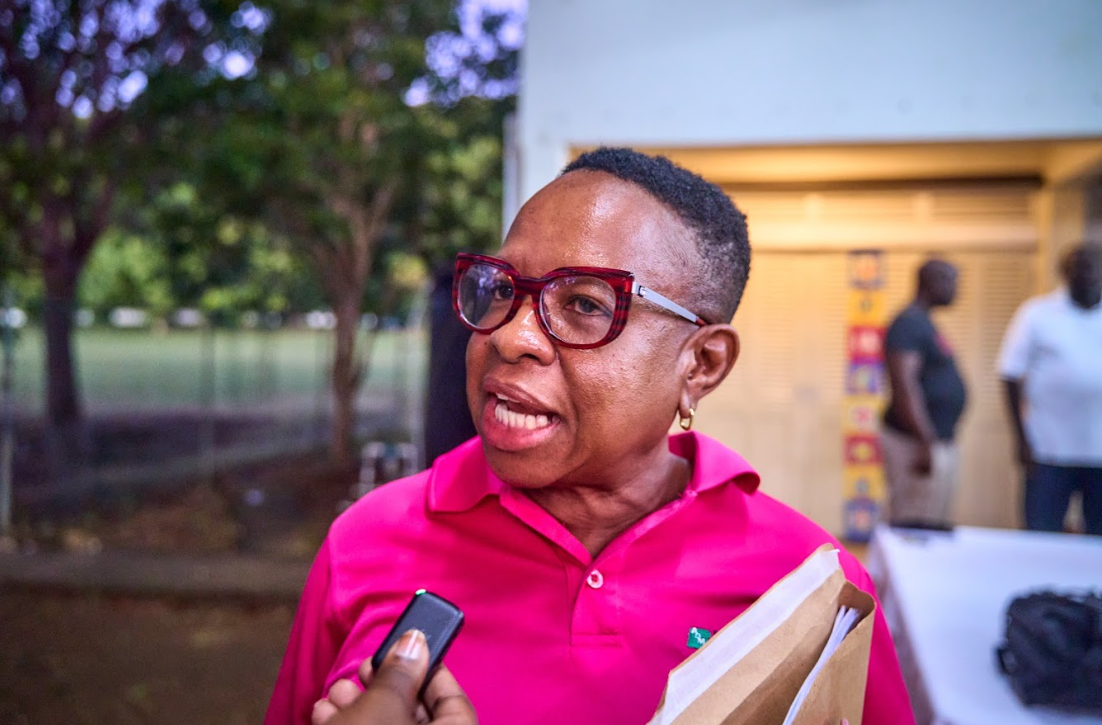
Dr Claire Durant, deputy CEO of the state-run Barbados Agricultural Development and Marketing Corporation (BADMC), dismissed concerns that the island is experiencing the same supply contractions.
She said: “Currently, Barbados certainly has from the farmers who work with the BADMC, and then also private farmers and those in the IRDP district, there certainly are peppers available, hot peppers that are suitable for making the pepper sauce.”
While acknowledging that regional manufacturers face rising prices and low inventory, Dr Durant suggested that some domestic producers may not have fully surveyed their sources, noting that “sometimes people think there’s a shortage when really and truly they have not explored all of the options”.
“We know that everybody has their preferred supply just like we have our preferred supermarket,” she said. “But we would encourage persons who are seeking to buy hot peppers for any of their, you know, activities, you know, they can contact the BADMC, and the ministry, and we certainly can direct them to one of our local farmers who will be able to supply a fresh crop for them to use in their production.”
To secure future yields, Barbados is expanding its cultivation footprint. The BADMC recently acquired a new selection of hot pepper seeds from its regional partner, the Caribbean Agricultural Research and Development Institute (CARDI).
“These new hot pepper seeds, we are hatching them as we speak, and there are farmers who are very happy to have them so they can also continue with their hot pepper production,” Dr Durant explained.
While severe pest infestations and plant diseases have harmed crops on other islands, the BADMC official confirmed that Barbados’ biosecurity measures remain effective.